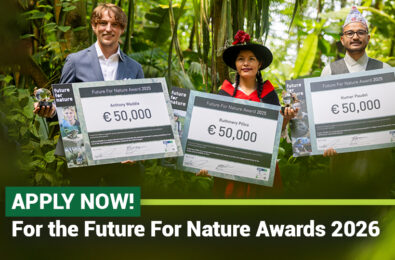
Announcing the 2026 Future For Nature Awards Nominees!
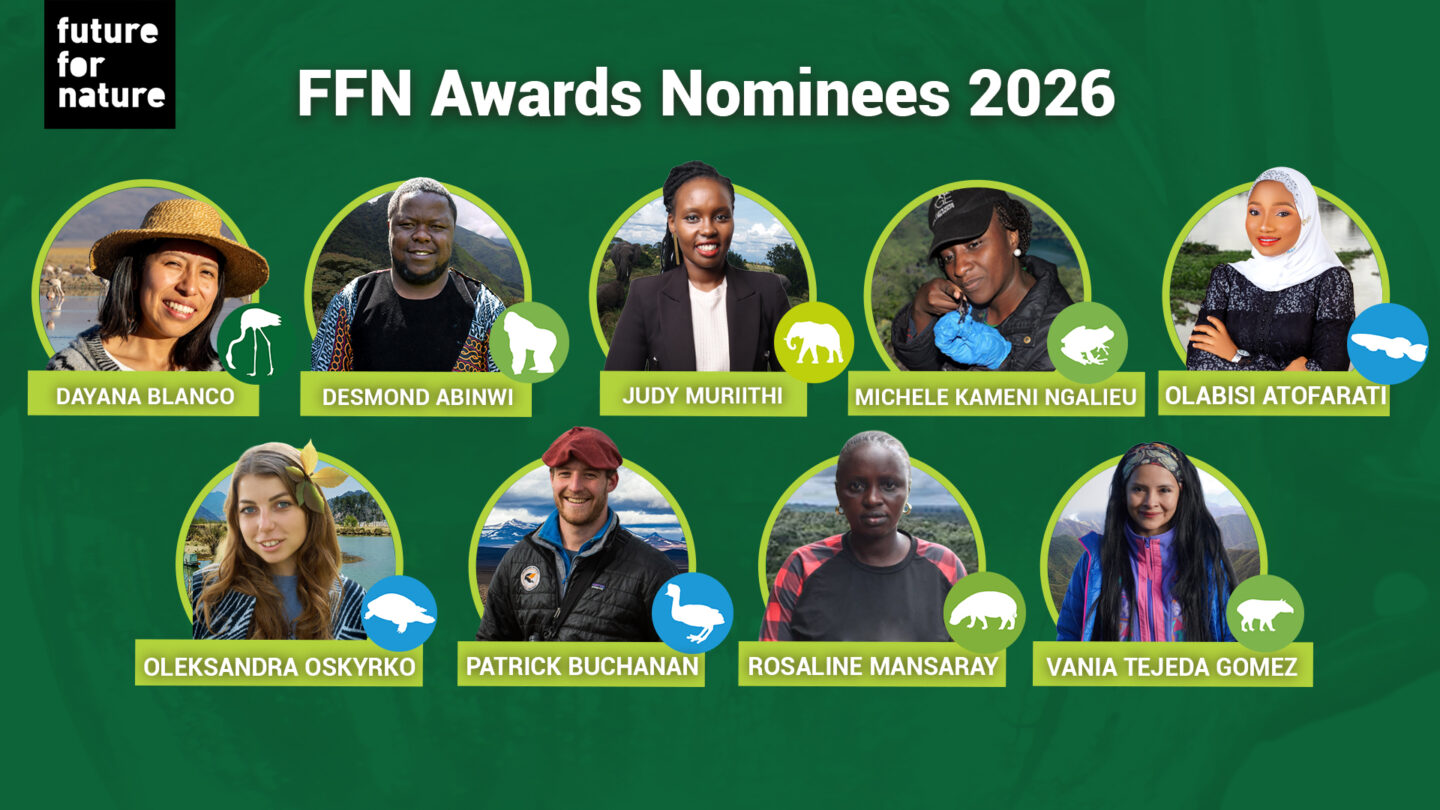
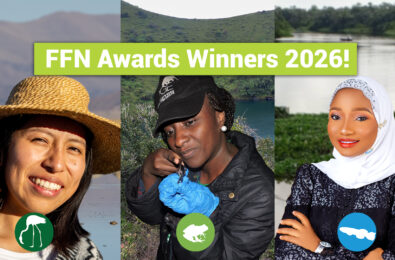
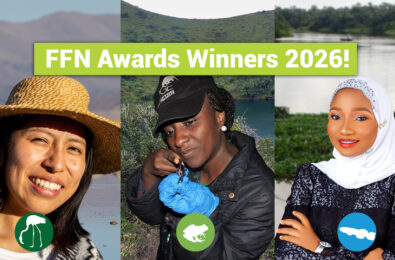
We are pleased to announce that our National Selection Committee has selected the 2026 Future For Nature Awards nominees. Meet the nine inspiring individuals driving impactful conservation:
Dayana Blanco Quiroga is an Indigenous woman who is leading a restoration effort at Lake Uru Uru to protect three species of flamingos in Bolivia.
Desmond Fontoh Abinwi is empowering local communities to protect the critically endangered Cross River gorilla in Cameroon.
Judy Muriithi is advancing species protection through law, policy, and innovation in Kenya.
Michele Marina Kameni Ngalieu is protecting endangered frogs by rediscovering lost species and promoting eco-friendly farming in Cameroon.
Olabisi Atofarati is safeguarding Nigeria’s endemic freshwater Killifish from overharvesting and extinction.
Oleksandra Oskyrko is protecting the critically endangered Asian giant softshell turtle, with fewer than 200 individuals left in the wild in China.
Patrick Ian Buchanan is saving Patagonia’s Hooded Grebe through invasive predator control in Argentina.
Rosaline Mansaray is protecting Sierra Leone’s pygmy hippos and western chimpanzees by combining conservation with climate justice.
Vania Alexandra Tejeda Gomez is protecting Peru’s mountain tapirs and helped create a new protected area in Piura.
 Dayana Quiroga
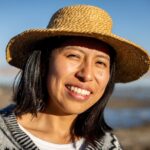
Lake Uru Uru in Bolivia is a vital wetland and breeding ground for three unique flamingo species: the Chilean (Phoenicopterus chilensis), Andean (Phoenicoparrus andinus), and James’s (Phoenicoparrus jamesi) flamingos. Dayana Blanco Quiroga leads the Indigenous women-led restoration of this region. Using traditional ecological knowledge, Dayana and her team restore the lake by planting totoras, native aquatic reeds that filter heavy metals from polluted water. Totoras also provide nesting habitat, shelter, and feeding areas for flamingos, making them a keystone species for the restoration of their populations. Under her leadership, the community has already restored 10 km of shoreline, planted 6,000 totoras, and confirmed the return of all three flamingo species to these areas.
With the Future For Nature Award, Dayana plans to expand restoration efforts to the lake’s full 24 km², planting 10,000 more totoras and training 50 Indigenous youth in bird and habitat monitoring. Her vision is to create a self-sustaining refuge for over 120,000 flamingos and improve water quality for 76 species of birds.
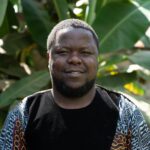 Desmond Fontoh Abinwi
In the conflict-affected forests of northwestern Cameroon, Desmond Fontoh Abinwi and his grassroots organization CEPOW Cameroon are working to protect one of the world’s rarest primates: the Cross River Gorilla (Gorilla gorilla diehli). With fewer than 300 individuals remaining, this critically endangered species faces habitat loss, hunting, and political instability in the Kagwene Sanctuary, Cameroon. Although there are frequent roadblocks and gunfire, Desmond has trained over 500 forest users and 35 local forest committees in biomonitoring and anti-poaching patrols, planted more than 30,000 trees to restore degraded gorilla habitat, and introduced sustainable livelihoods like beekeeping and non-timber forest product harvesting to reduce pressure on the forests.
If awarded the Future For Nature Award, Desmond will expand these efforts by planting another 30,000 trees, equipping community patrol teams with modern monitoring tools, and developing local conservation education through radio programs and eco-clubs. His work not only protects the Cross River Gorilla but also empowers local communities to become long-term guardians of their forest home.
 Judy Muriithi
Kenya is home to elephants, big cats, pangolins, and many other species listed under Appendix I of CITES. These species face pressure from habitat loss, conflict with people, and organised criminal networks involved in trafficking. Many incidents go unreported. Information is scattered across agencies and community groups, which slows response and weakens protection. For years, Judy Muriithi has focused her work on closing this gap. She leads the development of the Wildlife Information Tracking System (WITS), an integrated platform that brings together reports on wildlife crime, judicial outcomes, and human wildlife conflict. Through WITS, communities, rangers, and enforcement teams have one place to submit and access information. This supports faster action during poaching and trafficking cases and improves the follow-up of court proceedings. Judy also invests in community legal empowerment, giving local people practical tools and support to report incidents and participate in species protection.
For Judy, winning the 2026 FFN Award will strengthen the reach and impact of WITS. The prize money will expand training for wildlife scouts and community legal aid workers, enabling more accurate and rapid reporting of incidents involving species listed under Appendix I of CITES. She also aims to enhance data links with enforcement and judicial institutions, so more wildlife crime cases move through the legal system.
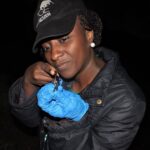 Michele Marina Kameni Ngalieu
Mount Manengouba and the surrounding highlands of Cameroon hold some of the most threatened amphibians and reptiles in Central Africa. These mountains are home to microendemic frogs and skinks that depend on intact forests, clean streams, and stable high-elevation habitats. Pressures such as pasture expansion, pesticide use in riparian areas, and ongoing deforestation have placed several species at high risk. Chytridiomycosis poses an additional threat. For more than a decade, Michele Marina Kameni Ngalieu has focused her work on protecting these species through research and community engagement. She has conducted extensive field studies on endemic frogs and skinks, rediscovered populations thought lost and built strong relationships with isolated mountain communities. Her work has already influenced farming practices, with communities adopting fire regimes and pesticide-free management in sensitive habitats.
Winning the FFN Award will strengthen long-term conservation efforts for Manengouba’s threatened frogs. The award will support workshops that teach sustainable farming, amphibian ecology, and ways to reduce the spread of hytridiomycosis. She will also train locals to monitor frog populations and habitat conditions, building on successful models developed with partners in Ghana. Michele plans to develop community-led ecotourism to provide income alternatives that support habitat preservation.
 Olabisi Atofarati
The Cross River region in Nigeria is one of the most important biodiversity hotspots in West Africa. Most conservation efforts in this region focus on terrestrial species, but Olabisi Atofarati turns her efforts to the Scheeli Killifish (Fundulopanchax scheeli). This endemic fish is seriously threatened by unsustainable fishing practices, habitat degradation and exploitation by aquaria traders. Olabisi has experience in the region through the protection of the Redline Pufferfish, where she successfully engaged traditional leaders and community members across Cross River. Her efforts led to a local ban on the sale of the species to aquarium traders. This set a precedent and model for her current work with the Scheeli Killifish, which has been little studied and largely neglected in nature conservation plans.
If she wins the FFN Award, Olabisi will battle the lack of scientific data on population trends and threats to the Scheeli Killifish’s population by using eDNA barcoding and conducting field research, conducting grassroots community activities and drafting local declarations for species protection. She would also take the lead in visiting secondary schools for nature conservation education and establishing nature conservation clubs, organizing sustainable livelihood programmes for the women and youth of local communities, and establishing a freshwater conservation and education centre in Cross River.
 Oleksandra Oskyrko
The Asian giant softshell turtle (Pelochelys cantorii) is listed among the most threatened turtles in the world, with fewer than 200 wild individuals remaining. Oleksandra Oskyrko works in China to conserve this critically endangered Asian giant softshell turtle. The main problem for these freshwater turtles is the catastrophic decline in their population due to the loss of crucial breeding grounds through sand mining and dam construction.
Born and raised in Ukraine, Oleksandra started her conservation journey in 2015 with reptile conservation and gained international recognition. However, the war forced her to leave Ukraine in 2022. Oleksandra did not want to give up and rebuilt her career in China. Her most impactful contribution is the increase in the survival rate of young turtles from less than 10% to more than 90%. In addition, released animals show a 264% weight gain upon reintroduction.
The FFN Award would be transformative for Pelochelys cantorii conservation and create a replicable model for turtle conservation across Asia. If she wins, she will establish a new wild release site in Zhejiang Province, including habitat assessments and monitoring equipment. It would also be used to develop mobile incubation units to protect vulnerable nests in remote areas. In addition, an educational programme called ‘Guardians of the Giant Turtle’ would be set up to train local fishermen to become conservation monitors, thereby creating sustainable protection networks.
 Patrick Ian Buchanan
The Hooded Grebe (Podiceps gallardoi), one of Patagonia’s most threatened species, lost 80% of its population in just 25 years due to invasive predators like American mink and Kelp Gulls, and habitat changes from trout stocking. Patrick Ian Buchanan has spent over a decade leading the Hooded Grebe Project, implementing innovative, science-based strategies to help its population recover. Patrick oversaw large-scale invasive species control across multiple National Parks and Key Biodiversity Areas, reducing predation risk by 30%. He pioneered the use of detection dogs in South America, dramatically improving invasive predator control, and launched a Livestock Guarding Dog Program to prevent conflicts with predators while promoting coexistence with local communities. Under his leadership, breeding success increased, no protected colonies were attacked, and the first ex situ breeding and release of Hooded Grebe chicks was achieved.
Winning the FFN Award will help Patrick to establish a new invasive species “safe zone” in the Strobel Plateau, equip three new Colony Guardians, expand detection dog searches, and support livestock guarding dogs on nearby properties. A community awareness campaign will engage local stakeholders, secure the Hooded Grebe’s future while strengthening human-wildlife coexistence and provide a model for protecting Patagonia’s endangered species.
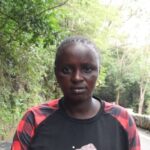 Rosaline Mansaray
With fewer than 2,500 pygmy hippopotamuses (Choeropsis liberiensis) and 5,500 western chimpanzees (Pan troglodytes verus) left in Sierra Leone, protecting these endangered species is increasingly urgent. Rosaline Mansaray has developed a powerful women-led conservation model that empowers local communities to safeguard these animals while addressing climate justice and post-conflict challenges. Through the Women for Wildlife network, over 100 women have been trained in sustainable livelihoods that reduce dependence on bushmeat hunting. Community-led patrols have cut illegal activities in key habitats by 20%, former hunters have become forest guardians, and youth activists now lead creative awareness efforts across villages. By combining species protection with gender empowerment, trauma recovery, and community advocacy, her work is creating a resilient blueprint for long-term wildlife conservation.
If selected as a Future For Nature Award winner, Rosaline plans to expand this impact even further. The Award would fund 10 new community protection teams in the Gola Rainforest and Tacugama buffer zones, strengthen local advocacy campaigns, and support women-led wildlife monitoring efforts. Rosaline would start 20 new sustainable farms along forest edges, providing alternatives to bushmeat income and creating safer habitats for hippos and chimpanzees. Her goal is to scale this model to new communities, establish Sierra Leone’s first women-run wildlife monitoring centre, and share this approach with other post-conflict regions of West Africa.
 Vania Alexandra Tejeda Gomez
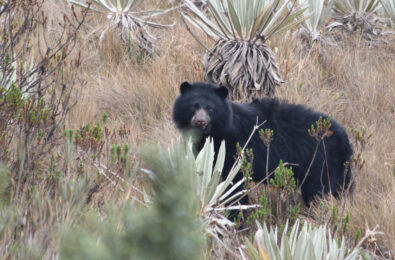
The mountain tapir (Tapirus pinchaque), with fewer than 300 individuals remaining in Peru, is a critical species for Andean and Amazonian ecosystems, yet it remains poorly studied and highly vulnerable to deforestation, wildfires, and habitat fragmentation. Vania Alexandra Tejeda Gomez has led groundbreaking community-based conservation initiatives to safeguard this species, including Peru’s first participatory monitoring program across 11 protected areas. These efforts generated the first population estimates, informed the National Mountain Tapir Conservation Plan, and supported the creation of the proposed Páramos y Lagunas Las Huaringas regional conservation area. She also co-created Peru’s first Andean Tapir Festival, launched the Germina education program, and mentored young women in conservation, all while integrating local voices and scientific research to strengthen forest connectivity and protect critical habitats.
If Vina wins the FFN award, she will restore 200 hectares of cloud forest and páramo affected by recent wildfires, using climate-smart, tapir-informed reforestation to reconnect fragmented habitats. The prize will also fund satellite collaring and GPS monitoring of five mountain tapirs, providing essential data on movements, feeding, and breeding sites to guide conservation planning. By combining science, innovation, and community empowerment, these efforts will secure the species’ last strongholds, enhance ecosystem resilience, and ensure the survival of the mountain tapir in Peru.