Credit Werner Eigelshofen

Olabisi Atofarati
Photo Credit: Werner Eigelshofen
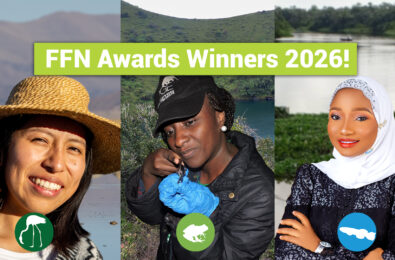
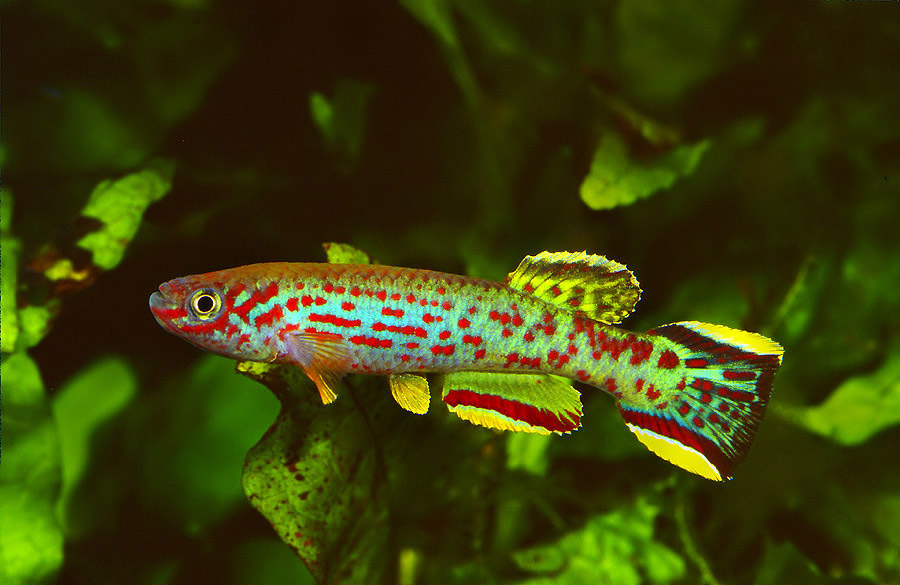
Olabisi Atofarati is safeguarding Nigeria’s endemic freshwater Killifish from overharvesting and extinction. She is a conservation biologist using science and indigenous knowledge to help protect this colourful fish.
Background
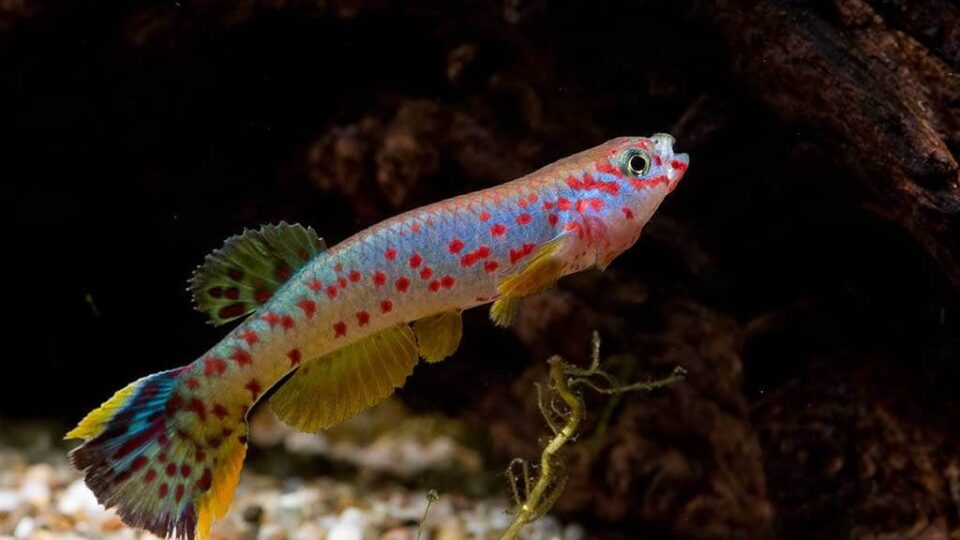
While most conservation efforts in the Cross River biodiversity hotspot in Nigeria are focussed on terrestrial species, Olabisi has a passion for the conservation of the less popular but equally valuable animal species in this area: freshwater fish. After her successful work to help protect the endemic and endangered redline pufferfish, she has now focused her attention on the Scheeli killifish.
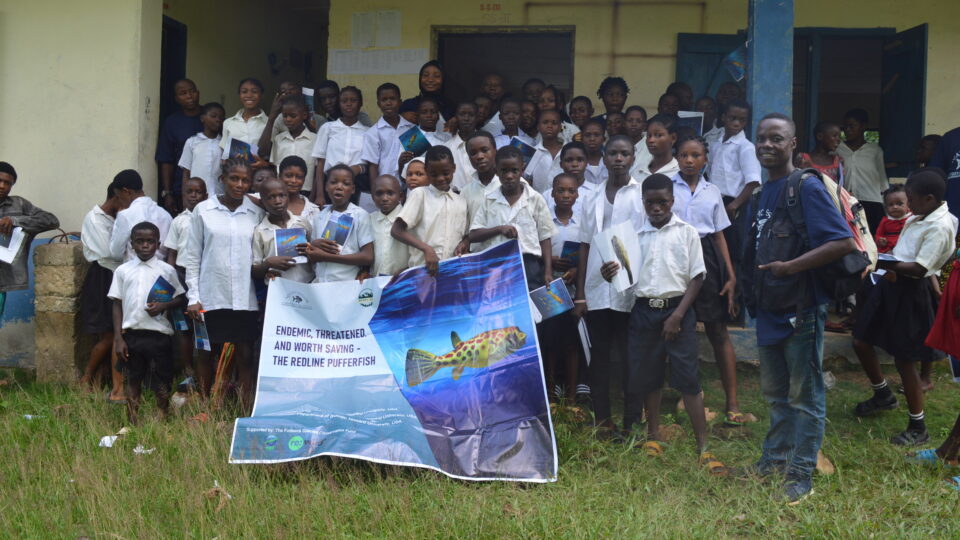
The beautiful Scheeli killifish is critically endangered due to unsustainable fishing practices, habitat loss and harvesting for the aquarium trade. Very little is known about this species, and even less is happening to protect it. Olabisi conducts much-needed research to develop the knowledge required to conserve the killifish, while at the same time working towards its conservation with local communities. By advocating for the inclusion of conservation education in the school curriculum and school sensitization campaigns, she fosters a generation of conservation-conscious youths. And by liaising with traditional leaders of local communities, Olabisi works on making the Scheeli killifish a locally protected species.
Olabisi is the first woman in her region to lead freshwater species conservation actions. Despite the resistance and exclusion, she persists. Her presence alone encourages young girls to pursue a career in conservation and creates a positive impact for the protection of the Scheeli killifish.
-
- Credit J. de lange
Vision and approach
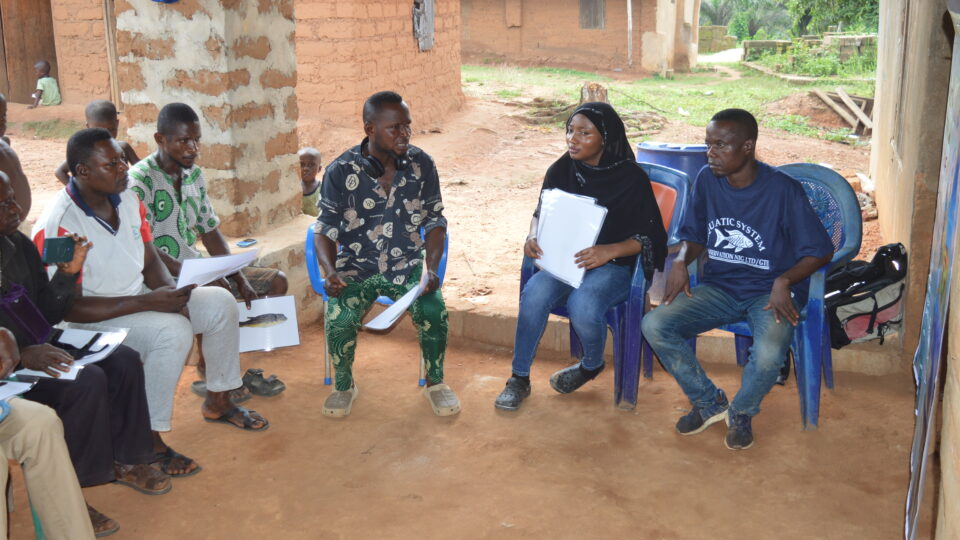
Olabisi uses the power of trust-building, community engagement, storytelling and stakeholder meetings to connect with local communities on all levels and aid nature conservation. Supported by science, she reaches youth, general community members and traditional leaders to educate them and empower local ownership. She also integrates gender inclusion to ensure long-term sustainability. Through school-based conservation clubs, indigenous storytelling, and livelihood initiatives, she builds capacity and reduces dependence on threatened species. Creating local champions in turn will help the success of conservation laws and policies that Olabisi advocates for.
Impact of the Future For Nature Awards
With the FFN Award prize money Olabisi will:
- Assess Scheeli killifish populations
- Work with traditional rulers to establish a local species declaration and protective laws
- Engage local communities through protection initiatives, education programmes and sustainable livelihood support
- Establish a freshwater conservation education hub to promote long-term conservation efforts
Written by Marloes Leeflang